In today's dynamic world, managing your finances has become a skill that's more crucial than ever. Building a budget serves as a foundation for making informed financial decisions and steering your

Dated: August 7 2023
Views: 184
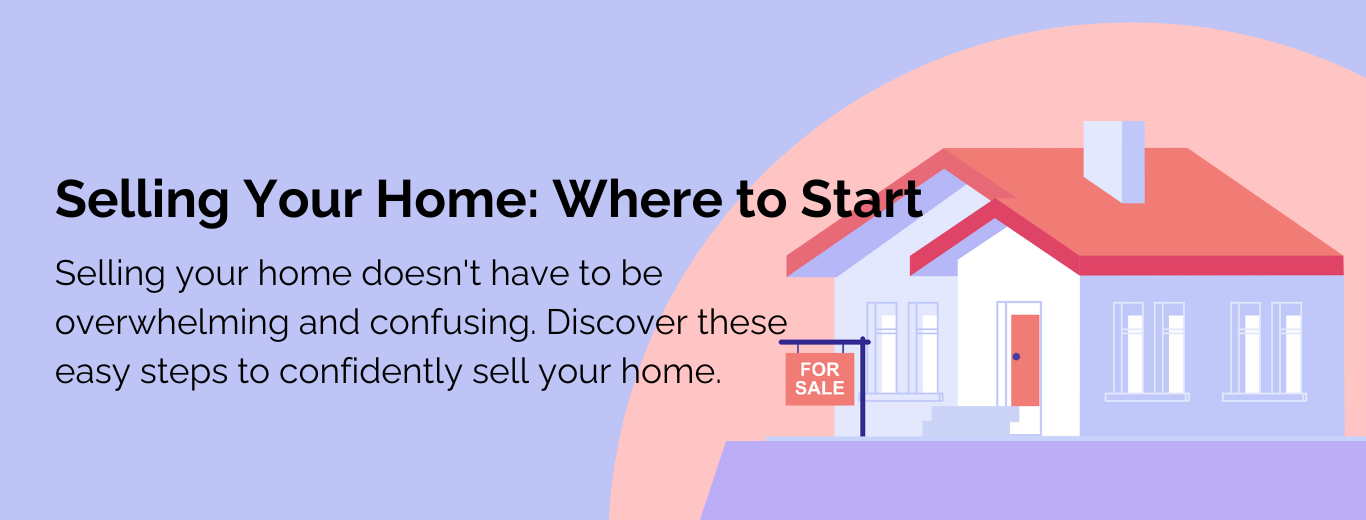
So, you're thinking about selling your home? It's a big decision, no doubt. Whether you're upgrading to a larger property, relocating for work, or downsizing after retirement, the process of selling a home involves several important steps. We'll walk you through the essential things to consider and actions to take to make things less overwhelming.
Step 1: Assess Your Financial Situation
Before putting your home on the market, it's essential to assess your financial situation and determine your selling goals. Ask yourself:
Understanding your financial position and motivations will help you make informed decisions throughout the selling process.
Step 2: Find a Real Estate Agent
A qualified real estate agent can be an invaluable partner in selling your home. They bring local market expertise, negotiation skills, and marketing resources to the table. When choosing an agent:
A skilled real estate agent can guide you through pricing your home, staging, marketing, and negotiating offers so you don’t have to juggle too many things at once.
Step 3: Prepare Your Home for Sale
First impressions matter, so take the time to prepare your home for potential buyers. Consider these steps:
A well-presented home can attract more buyers and potentially lead to quicker and more competitive offers.
Step 4: Determine the Right Listing Price
Pricing your home appropriately is critical to getting offers. Don’t let your emotional attachment cloud your judgment and set your price based on facts, not feelings. Ask your real estate agent to conduct a comparative market analysis (CMA) to assess the prices of similar homes in your area. Factors that influence your listing price include:
Combined those things with your home’s unique charm, and you will set a price that is just right. Striking the right balance between a competitive price and maximizing your profit is key to attracting potential buyers.
Step 5: Market Your Home
Effective marketing is essential for reaching a wide audience of potential buyers. Your real estate agent will develop a marketing plan that may include:
A comprehensive marketing strategy can generate interest and drive qualified buyers to your property.
Step 6: Negotiate Offers and Acceptance
When offers start coming in, brace yourself for some back-and-forth as you negotiate with potential buyers. Your agent will help you navigate negotiations and help you know what offers are worth your time. Key points to consider will include:
Once you've accepted a solid offer, its time to do some due diligence and begin the closing process.
Step 7: Complete Due Diligence and Close the Sale
During due diligence, the buyer may conduct inspections, appraisals, and finalize their financing. Your goal is to now get to the close. You will be responsible during this phase to:
Closing involves signing the necessary paperwork, transferring ownership, and disbursing funds. Quick reminder; don’t forget to factor in closing costs. Once all requirements are met, you'll hand over the keys to the new owner and go celebrate!
What to expect during an inspection.
Conclusion
Selling your home doesn't have to be a big headache. It’s something we do every day and we're here to guide you, answer your questions, and help you sell your home like a pro. Ready to take the plunge? With careful planning, the right professionals by your side, and a solid strategy, you can navigate the journey successfully. The hardest part is starting, but soon you'll be well on your way to a successful home sale!

Logan Moffett is a Real Estate Agent for Remax Associates based in Pleasant Grove Utah. Logan Graduated with his degree in Spanish with a minor in Business Management from Brigham Young University. Or....
In today's dynamic world, managing your finances has become a skill that's more crucial than ever. Building a budget serves as a foundation for making informed financial decisions and steering your
For most Americans, the age-old belief has been that purchasing a home to live in is a sound investment, offering a sense of security and the prospect of building equity over time. However, the
The Pros and Cons of Fixer-Upper Homes: Your Comprehensive GuideHouse hunting can be an exciting adventure, and among the options, fixer-upper homes stand out as unique opportunities for prospective
So, you're thinking about selling your home? It's a big decision, no doubt. Whether you're upgrading to a larger property, relocating for work, or downsizing after retirement, the process of
 Wasatch Front Regional MLS - Salt Lake Board of REALTORS® All information deemed reliable but not guaranteed. All properties are subject to prior sale, change or withdrawal. Neither listing broker(s) or information provider(s) shall be responsible for any typographical errors, misinformation, misprints and shall be held totally harmless. Listing(s) information is provided for consumer's personal, non-commercial use and may not be used for any purpose other than to identify prospective properties
consumers may be interested in purchasing. The data relating to real estate for sale on this website comes in part from the Internet Data Exchange program of the Multiple Listing Service. Real estate listings held by brokerage firms other than Moffett Group Real Estate may be marked with the Internet Data Exchange logo and detailed information about those properties will include the name of the listing broker(s) when required by the MLS. Copyright ©2026 All rights reserved.
Last Updated: September 23, 2026 5:18 PM UTC
Show More...
Wasatch Front Regional MLS - Salt Lake Board of REALTORS® All information deemed reliable but not guaranteed. All properties are subject to prior sale, change or withdrawal. Neither listing broker(s) or information provider(s) shall be responsible for any typographical errors, misinformation, misprints and shall be held totally harmless. Listing(s) information is provided for consumer's personal, non-commercial use and may not be used for any purpose other than to identify prospective properties
consumers may be interested in purchasing. The data relating to real estate for sale on this website comes in part from the Internet Data Exchange program of the Multiple Listing Service. Real estate listings held by brokerage firms other than Moffett Group Real Estate may be marked with the Internet Data Exchange logo and detailed information about those properties will include the name of the listing broker(s) when required by the MLS. Copyright ©2026 All rights reserved.
Last Updated: September 23, 2026 5:18 PM UTC
Show More...
